Exploring Cultural Connections Through Art and Music
Art and music are universal languages that transcend borders and connect people from diverse backgrounds. They serve as powerful mediums for expressing emotions, sharing stories, and fostering understanding among different cultures. In this blog post, we will explore how art and music create cultural connections, highlight specific examples from around the world, and discuss the importance of these connections in our increasingly globalized society.
The Power of Art in Cultural Expression
Art has the unique ability to convey complex ideas and emotions without the need for words. It reflects the values, beliefs, and experiences of a culture, allowing individuals to connect with one another on a deeper level. Here are some ways art fosters cultural connections:
Visual Arts
Visual arts, including painting, sculpture, and photography, provide a window into the lives and histories of different cultures. For instance:
Indigenous Art: Indigenous communities worldwide use art to tell their stories and preserve their heritage. The intricate patterns and symbols in Aboriginal Australian art, for example, convey spiritual beliefs and connection to the land.
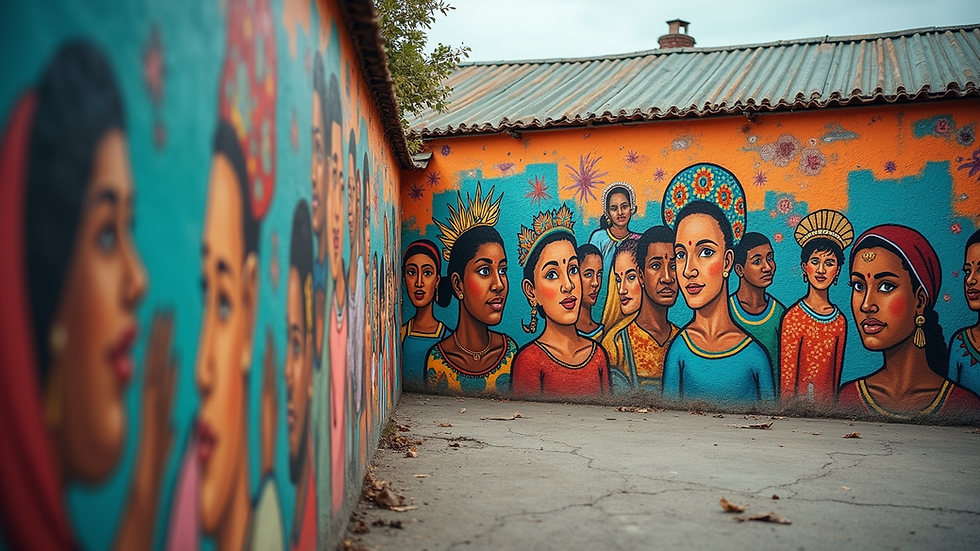
Street Art: Urban environments often showcase street art that reflects local culture and social issues. Cities like Berlin and São Paulo are known for their vibrant street art scenes that celebrate diversity and challenge societal norms.
Performing Arts
Performing arts, such as dance and theater, also play a crucial role in cultural expression. They allow for storytelling in dynamic and engaging ways. Consider the following examples:
Traditional Dance: Many cultures have traditional dances that celebrate their history and identity. The Hula dance of Hawaii, for instance, tells stories through movement and is deeply rooted in the island's culture.
Theater: Plays and performances can address cultural issues and promote dialogue. The works of playwrights like Lin-Manuel Miranda, who created "Hamilton," highlight the importance of cultural narratives in shaping identity.
The Role of Music in Cultural Connections
Music is another powerful form of expression that transcends language barriers. It has the ability to evoke emotions, create memories, and bring people together. Here are some ways music fosters cultural connections:
Traditional Music
Traditional music often reflects the history and values of a culture. For example:
Folk Music: Folk music from various regions tells the stories of the people and their struggles. The Irish folk tradition, with its lively jigs and ballads, captures the spirit of the Irish experience.
World Music: Genres like Afrobeat and Reggae have roots in specific cultural contexts but have gained global popularity. Artists like Fela Kuti and Bob Marley have introduced their cultural sounds to international audiences, fostering appreciation for their heritage.
Contemporary Music
Contemporary music often blends various cultural influences, creating new genres that resonate with diverse audiences. For instance:
Hip-Hop: Originating in the African American community, hip-hop has evolved into a global phenomenon. Artists from different countries incorporate their cultural elements into the genre, creating a rich tapestry of sounds and messages.
Pop Music: Many pop artists collaborate with musicians from different cultures, resulting in cross-cultural hits. The collaboration between Despacito's Luis Fonsi and Justin Bieber is a prime example of how music can bridge cultural divides.
The Importance of Cultural Connections
Cultural connections through art and music are essential for several reasons:
Promoting Understanding and Tolerance
Art and music can challenge stereotypes and promote understanding among different cultures. By experiencing the art and music of others, individuals can gain insights into different ways of life, fostering empathy and tolerance.
Building Community
Art and music bring people together, creating a sense of belonging and community. Festivals, concerts, and art exhibitions often serve as gathering places for individuals to celebrate their shared interests and cultural heritage.
Inspiring Change
Art and music have the power to inspire social change. Many artists use their platforms to address pressing social issues, encouraging audiences to reflect on their values and take action. For example, the song "This Is America" by Childish Gambino addresses gun violence and racism in the United States, sparking important conversations.
Examples of Cultural Connections Through Art and Music
To illustrate the impact of art and music on cultural connections, let's explore a few notable examples from around the world.
The Mural Movement in Mexico
In Mexico, murals have played a significant role in expressing cultural identity and social issues. Artists like Diego Rivera and Frida Kahlo used their work to address themes of class struggle, indigenous rights, and national identity. Today, the mural movement continues to thrive, with contemporary artists using public spaces to engage communities and promote dialogue.
The Global Influence of Reggae
Reggae music, originating from Jamaica, has had a profound impact on global culture. Artists like Bob Marley brought reggae to international audiences, promoting messages of peace, love, and social justice. The genre has inspired countless musicians worldwide, leading to the emergence of reggae-influenced styles in various countries, from Brazil to Japan.
The Rise of World Music Festivals
World music festivals, such as the WOMAD (World of Music, Arts and Dance) festival, celebrate cultural diversity through music and art. These festivals bring together artists from different backgrounds, allowing them to share their traditions and collaborate with one another. Attendees have the opportunity to experience a wide range of musical styles, fostering appreciation for global cultures.
Conclusion
Art and music are powerful tools for exploring and celebrating cultural connections. They allow us to share our stories, express our identities, and foster understanding among diverse communities. As we navigate an increasingly interconnected world, embracing the richness of different cultures through art and music is more important than ever. By doing so, we can build bridges, promote empathy, and inspire positive change in our societies.
As you reflect on the cultural connections in your own life, consider exploring new art forms or music genres that resonate with you. Attend a local art exhibition, listen to music from different cultures, or even try your hand at creating your own art. Every step you take toward understanding and appreciating cultural diversity contributes to a more connected and harmonious world.

Comments