Immersive Experiences: Art and Music Unite Cultures
Art and music have long served as powerful mediums for expression, storytelling, and cultural exchange. In an increasingly interconnected world, the fusion of these two forms of creativity has the potential to create immersive experiences that transcend borders and unite diverse cultures. This blog post explores how art and music come together to foster understanding, appreciation, and collaboration among different communities.
The Power of Art and Music in Cultural Exchange
Art and music are universal languages that can convey emotions, ideas, and narratives without the need for words. They have the ability to break down barriers and foster connections among people from different backgrounds. Here are some ways in which art and music facilitate cultural exchange:
1. Storytelling Through Visual Art
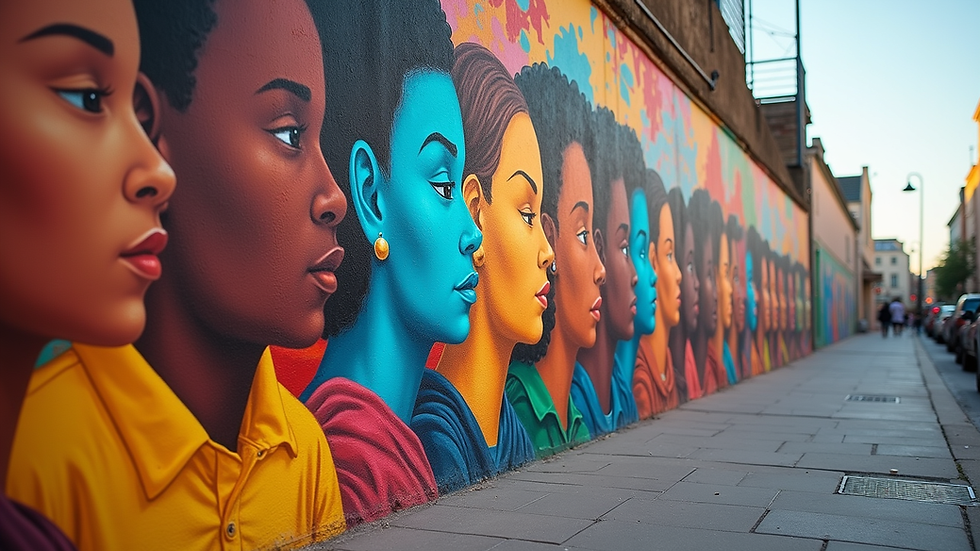
Visual art, whether in the form of paintings, sculptures, or murals, tells stories that reflect the experiences and histories of various cultures. For example, indigenous art often incorporates symbols and motifs that hold deep significance within the community. By showcasing these artworks in public spaces or galleries, artists can invite viewers to engage with and learn about different cultural narratives.
2. Music as a Cultural Bridge
Music has the unique ability to evoke emotions and memories, making it a powerful tool for cultural exchange. Genres like jazz, reggae, and hip-hop have roots in specific cultural contexts but have evolved to incorporate influences from around the world. Collaborative projects, such as the "One World" music festival, bring together artists from diverse backgrounds to create new sounds that celebrate cultural diversity.
3. Festivals Celebrating Cultural Diversity
Cultural festivals often serve as platforms for showcasing the intersection of art and music. Events like the Edinburgh Festival Fringe and the Rio Carnival highlight the richness of various cultures through performances, exhibitions, and workshops. These festivals not only entertain but also educate attendees about the traditions and values of different communities.
Immersive Experiences: The Intersection of Art and Music
Immersive experiences that combine art and music can transport individuals into new worlds, allowing them to engage with different cultures on a deeper level. Here are some examples of how this fusion is being realized:
1. Interactive Art Installations
Interactive art installations invite participants to engage with the artwork in a hands-on manner. For instance, the "TeamLab Borderless" exhibition in Tokyo features digital art that responds to visitors' movements and sounds. This immersive experience encourages collaboration and interaction, fostering a sense of community among participants.
2. Live Performances and Art Collaborations
Live performances that incorporate visual art can create a multisensory experience for audiences. For example, the collaboration between visual artist Kehinde Wiley and the New York City Ballet resulted in a performance that combined dance with stunning visual backdrops. This fusion not only enhances the artistic experience but also highlights the cultural significance of both art forms.
3. Virtual Reality Experiences
Advancements in technology have enabled the creation of virtual reality (VR) experiences that immerse users in different cultural environments. For instance, VR platforms like "The Night Cafe" allow users to explore Vincent van Gogh's artwork in a 3D space while listening to music inspired by his life. This innovative approach bridges the gap between art and music, providing a unique way to experience culture.
The Role of Community in Art and Music
Community plays a vital role in the creation and appreciation of art and music. Collaborative projects that involve local artists and musicians can strengthen cultural ties and foster a sense of belonging. Here are some ways communities can come together through art and music:
1. Community Art Projects
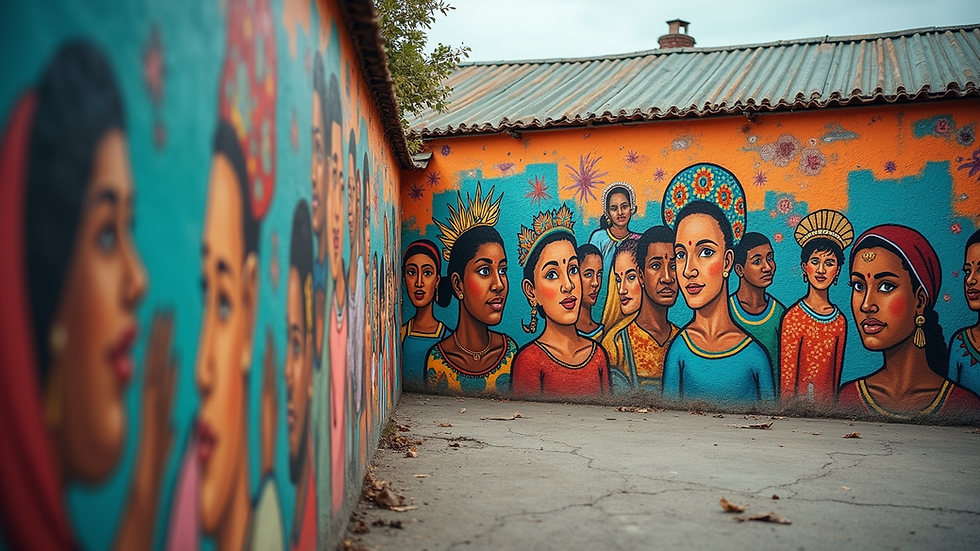
Community art projects, such as mural painting or public art installations, encourage collaboration among local artists and residents. These projects often reflect the unique identity of the community and can serve as a source of pride. For example, the "Chicago Mural Project" brings together artists and community members to create murals that celebrate the city's diverse cultures.
2. Music Workshops and Classes
Music workshops and classes provide opportunities for individuals to learn about different musical traditions and instruments. Programs like "El Sistema," which originated in Venezuela, offer free music education to children from underserved communities. By fostering a love for music, these programs help build connections among participants and promote cultural understanding.
3. Collaborative Performances
Collaborative performances that feature artists from different cultural backgrounds can create a rich tapestry of sounds and styles. Events like the "GlobalFest" showcase a variety of musical genres, allowing audiences to experience the diversity of global music. These performances not only entertain but also educate attendees about the cultural significance of the music being presented.
Challenges and Opportunities in Cultural Exchange
While the fusion of art and music offers numerous benefits for cultural exchange, there are also challenges that must be addressed. Here are some key considerations:
1. Cultural Appropriation vs. Appreciation
One of the most significant challenges in cultural exchange is the fine line between cultural appropriation and appreciation. It is essential for artists and musicians to approach other cultures with respect and understanding, ensuring that they honor the traditions and histories behind the art forms they are engaging with. This can involve collaborating with cultural representatives and seeking permission to use specific elements.
2. Accessibility and Inclusivity
Ensuring that art and music experiences are accessible to all individuals is crucial for fostering cultural exchange. This includes providing resources for individuals with disabilities, offering programs in multiple languages, and creating inclusive spaces that welcome diverse audiences. By prioritizing accessibility, communities can create environments where everyone can participate in and appreciate the arts.
3. Funding and Support for Artists
Many artists and musicians face financial barriers that hinder their ability to create and share their work. Supporting local artists through grants, sponsorships, and community funding initiatives can help ensure that diverse voices are represented in the art and music landscape. This support can also lead to more collaborative projects that celebrate cultural exchange.
Conclusion: Embracing the Fusion of Art and Music
The intersection of art and music offers a powerful avenue for cultural exchange and understanding. By creating immersive experiences that celebrate diversity, we can foster connections among individuals from different backgrounds. As we continue to explore the potential of art and music to unite cultures, it is essential to approach these experiences with respect, inclusivity, and a commitment to collaboration.
In a world that often feels divided, art and music remind us of our shared humanity. By embracing the fusion of these two creative forms, we can build bridges that connect us across cultures and inspire future generations to appreciate the beauty of diversity.
Let us celebrate the power of art and music to unite us, and encourage others to engage with and learn from the rich tapestry of cultures that surround us.

Comments